

Posted On May 09 2025
Total Post Views :- 372
This interesting panel discussion, titled “9 to 6: Nexus of Launchpad and Living Metropolis,” explored workplace design in India. The conversation explored how contemporary work environments are being reshaped by changing cultural dynamics, climate responsiveness, technological shifts, and evolving aspirations of the workplace design in India.
Moderated by two professionals from diverse backgrounds, Aruname Roy, an architect, and Shravan, a data strategist, the session bridged design intuition with empirical insights, emphasizing the necessity of context-sensitive, inclusive, and sustainable design.
Cultural Context in Design:
The discussion began by acknowledging the uniqueness of Indian cities, particularly Mumbai, where both speakers are based. Aruname highlighted how India’s intrinsic cultural and climatic diversity demands localized design thinking. She emphasized that workspaces here must cater to heterogeneous lifestyles, backgrounds, and cultural practices, unlike the routines observed in Western cities. Shravan supported this with data showing that Indian employees typically take 2.5 times more breaks than their counterparts abroad, reinforcing the idea that the Indian workplace functions almost like a second home, a place for social bonding, recreation, and community building.
The Fusion of Global and Local
Aruname elaborated on how global standards have historically influenced workplace design in India, especially with MNCs preferring familiar formats when entering new markets. However, over the years, there has been a visible shift toward celebrating Indian aesthetics and materials. Clients are increasingly open to vernacular architecture, sustainable materials like clay tiles, stone, and shaded walkways — all of which respond better to India’s climate and cultural sensibilities. This fusion of global functionality and local identity has become the new benchmark for excellence.
Shravan added that organizations are now seeking design narratives that align with their core values. For instance, companies like Google and Meta are embracing unfinished aesthetics (like exposed concrete and visible joints) to signal transparency, innovation, and their philosophy of being “always in progress.” This push toward storytelling through architecture, he noted, helps attract the right talent and fosters stronger cultural alignment.
Materiality, Technology, and Climate Responsiveness
The panel also touched upon how material choices have evolved drastically over the past decade. Aruname pointed out the advances in building technologies like dynamic glass, which adjusts to changing weather conditions, and the reintroduction of earthy materials, which help reconnect modern buildings with traditional design sensibilities. She stressed that while international workflows and programming may be adopted, the facades, interiors, and passive design strategies must still speak to local contexts and climatic realities.
Workplace Density and Dignity in Design
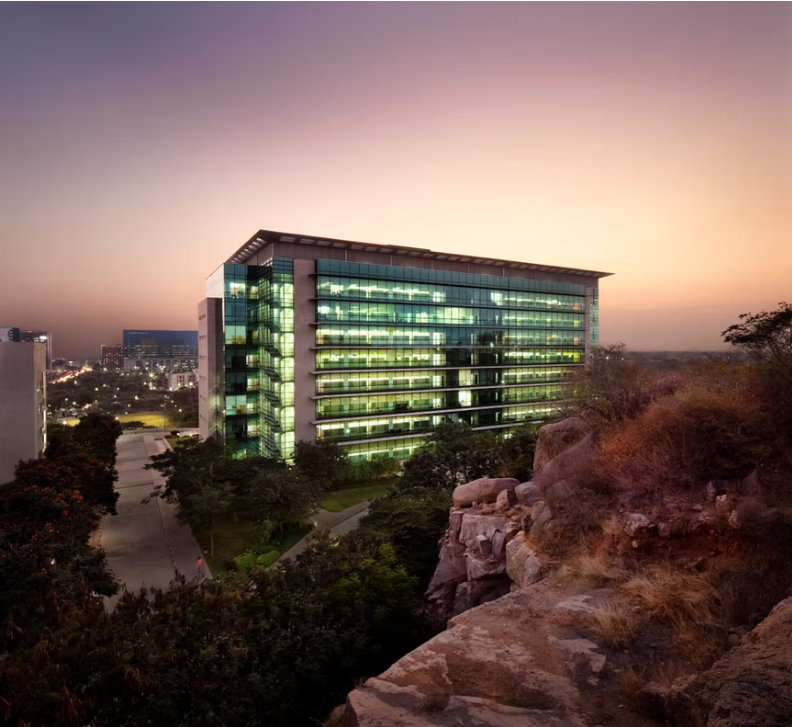
When discussing India’s urban density, especially in workplace campuses, Shravan made a powerful observation: scale should never be an excuse to compromise on dignity. He cited examples of how small yet thoughtful design interventions — such as covered waiting areas, dedicated walking paths, and quiet spaces — could significantly improve the daily experience of employees without requiring large investments. He praised Indian design firms that are proactively creating humane, respectful environments even in high-density situations, underscoring that quality and dignity must be non-negotiable aspects of design.
The Role of Collaboration and Data in Design
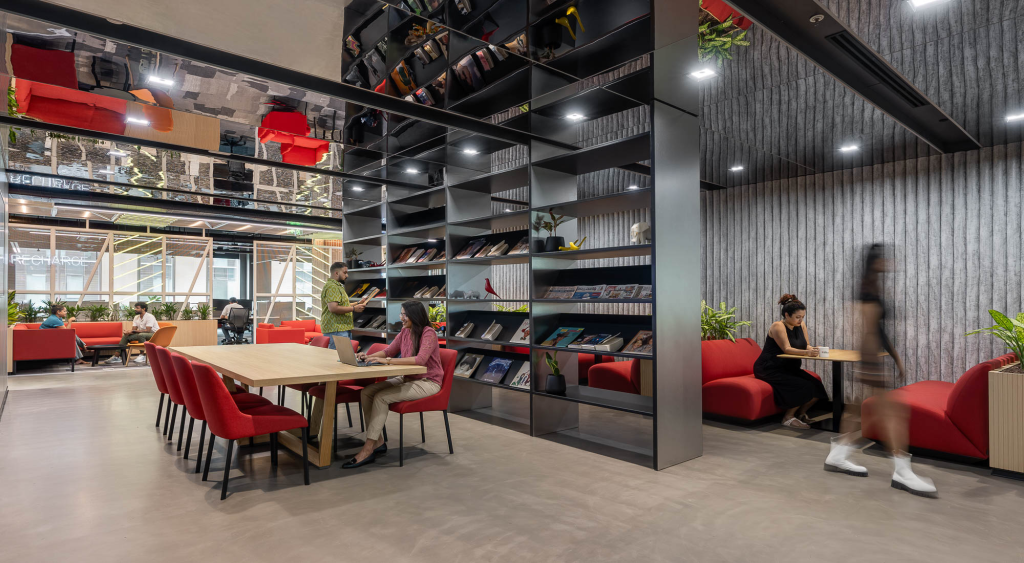
A recurring theme throughout the conversation was the importance of collaboration between data and design, tradition and modernity, and local and global perspectives. Shravan emphasized how data can uncover behavioral insights (like post-lunch walking habits) that designers can respond to with targeted spatial solutions. Both panelists agreed that an interdisciplinary approach that includes the voices of users, data scientists, and designers alike can result in workplaces that are not only efficient but also culturally resonant, emotionally nurturing, and future-ready.
Conclusion
The panel closed on a note of optimism and responsibility. As India continues to urbanize and integrate into global economies, the speakers urged designers and stakeholders to consciously shape workplaces that are not just backdrops to economic activity but active participants in building equitable, inclusive, and sustainable urban societies. Through thoughtful design that responds to both macro trends and micro behaviors, workplaces can truly become launchpads for individual growth and collective progress.
